Buy diäten.eu ?
We are moving the project
diäten.eu .
Are you interested in purchasing the domain
diäten.eu ?
domain@kv-gmbh.de · 0541-91531010
Buy diäten.eu ?
What is the difference between prepositional object and object?
The main difference between a prepositional object and an object is their relationship to the verb in a sentence. An object is a noun or pronoun that directly receives the action of the verb, while a prepositional object is the noun or pronoun that comes after a preposition and is related to the verb indirectly. In other words, an object is directly affected by the verb, while a prepositional object is connected to the verb through a preposition. **
Could it be a health risk to wash a rusty object?
Yes, it could be a health risk to wash a rusty object. Rust is a form of iron oxide that can contain harmful bacteria and other contaminants. When washing a rusty object, the rust particles can become airborne and be inhaled, potentially causing respiratory issues. In addition, if the rusty object is used for food preparation or storage, the rust can contaminate the food and pose a health risk if ingested. It is important to handle rusty objects with caution and consider using protective equipment such as gloves and a mask when dealing with them. **

Similar search terms for Object
Top-Angebote
Products related to Object:

-
'Substance or object?'
A substance is a type of matter that has a specific composition and properties, such as water or salt. An object, on the other hand, is a tangible item that can be seen and touched, such as a book or a chair. While substances are the fundamental building blocks of matter, objects are made up of one or more substances and have a distinct shape and form. **
-
What is the difference between object constancy and object permanence?
Object constancy refers to the ability to maintain a consistent emotional bond with a person despite changes in the environment or temporary absences. It involves understanding that people can still care for you even when they are not physically present. On the other hand, object permanence is the understanding that objects continue to exist even when they are out of sight. It is a cognitive milestone typically achieved in infancy, whereas object constancy is a more complex emotional concept that develops later in childhood. **
-
What is the difference between direct object and indirect object?
A direct object is a noun or pronoun that receives the action of the verb directly, while an indirect object is a noun or pronoun that receives the direct object. In other words, the direct object is the recipient of the action, while the indirect object is the recipient of the direct object. For example, in the sentence "She gave him a book," "book" is the direct object receiving the action of "gave," and "him" is the indirect object receiving the book. **
-
What is the difference between dative object and accusative object?
In German grammar, the dative object is the indirect object that receives the direct object. It usually answers the question "to whom" or "for whom." The accusative object, on the other hand, is the direct object that receives the action of the verb. It usually answers the question "whom" or "what." In simple terms, the dative object is the recipient of the action, while the accusative object is the direct receiver of the action. **

What is the difference between object identity and object state?
Object identity refers to the unique identifier of an object, which distinguishes it from other objects. It remains constant throughout the object's lifetime, even if its state changes. On the other hand, object state refers to the current values of the object's attributes or properties at a specific point in time. The state of an object can change as it interacts with the system or its environment, while its identity remains constant. **
What are examples of how an object becomes another object?
One example of how an object becomes another object is through the process of recycling. For instance, plastic bottles can be recycled and transformed into new plastic products. Another example is when raw materials such as wood, metal, or glass are used to create new objects such as furniture, machinery, or containers. Additionally, objects can be repurposed or upcycled, such as turning an old tire into a swing or a used jar into a candle holder. **
Top-Angebote
Products related to Object:
-
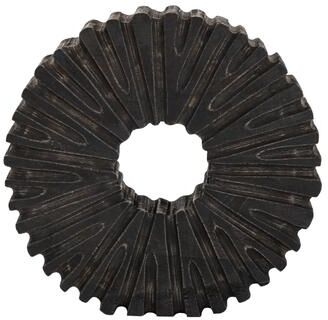
Elk Home Aston Decorative ObjectThe Aston Tabletop Sculpture is a round decorative object designed to sit upright on a bookshelf or credenza. Featuring a ring of black painted mango wood carved in a sunburst pattern, this sculpture makes a dramatic statement.114,00 $*Shipping: 0,00 $Secure redirect to the provider
-
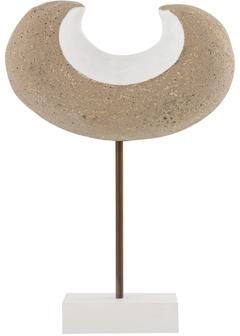
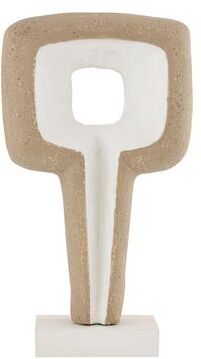
Sagebrook Home Abstract Iron Decorative ObjectEnhance your home decor with our stunning line of Decorative Accessories. Our decorative accents will inspire your creativity while designing your home and outdoor spaces. A great addition and decoration for upscale hotels and offices.46,49 $*Shipping: 0,00 $Secure redirect to the provider
-
What is the difference between prepositional object and object?
The main difference between a prepositional object and an object is their relationship to the verb in a sentence. An object is a noun or pronoun that directly receives the action of the verb, while a prepositional object is the noun or pronoun that comes after a preposition and is related to the verb indirectly. In other words, an object is directly affected by the verb, while a prepositional object is connected to the verb through a preposition. **
-
Could it be a health risk to wash a rusty object?
Yes, it could be a health risk to wash a rusty object. Rust is a form of iron oxide that can contain harmful bacteria and other contaminants. When washing a rusty object, the rust particles can become airborne and be inhaled, potentially causing respiratory issues. In addition, if the rusty object is used for food preparation or storage, the rust can contaminate the food and pose a health risk if ingested. It is important to handle rusty objects with caution and consider using protective equipment such as gloves and a mask when dealing with them. **
-
'Substance or object?'
A substance is a type of matter that has a specific composition and properties, such as water or salt. An object, on the other hand, is a tangible item that can be seen and touched, such as a book or a chair. While substances are the fundamental building blocks of matter, objects are made up of one or more substances and have a distinct shape and form. **
-
What is the difference between object constancy and object permanence?
Object constancy refers to the ability to maintain a consistent emotional bond with a person despite changes in the environment or temporary absences. It involves understanding that people can still care for you even when they are not physically present. On the other hand, object permanence is the understanding that objects continue to exist even when they are out of sight. It is a cognitive milestone typically achieved in infancy, whereas object constancy is a more complex emotional concept that develops later in childhood. **
Similar search terms for Object
-
Cornerstone Press Make Me Well: The Truth About the Wellness Industry, Supplements, and Personalised Health by Xand van TullekenIn a world of endless wellness advice, learn how to make smarter decisions about your health with the empowering new book from doctor and broadcaster Xand Van Tulleken. Drawing on original reporting, expert insight and real-world case studies, he explores: The truth about supplements and vitamins ― what works and what doesn’t The rise of at-home blood testing and personalised health plans How wearable technology (fitness trackers, sleep trackers, smartwatches) shapes our behaviour The promises and pitfalls of consumer genomics and DNA testing Why the line between healthcare and the wellness industry has become blurred There has never been a more confusing time to try to be healthy. From supplements and blood testing to wearable technology and consumer genomics, the modern wellness industry promises better energy, performance and longevity. But how much of it is science, and how much is marketing? In his groundbreaking book, Make Me Well, Xand van Tulleken investigates the new Wild West of the wellness industry, offering a clear, evidence-based guide to navigating today’s most popular health trends. With practical advice and accessible science, Make Me Well will help you cut through misinformation, avoid unnecessary costs, and make informed decisions about your physical and mental wellbeing. If you’ve ever wondered which health trends are worth your time and money, this is your essential guide to modern wellness.12,99 £*Shipping: 2,99 £Secure redirect to the provider
-
What is the difference between direct object and indirect object?
A direct object is a noun or pronoun that receives the action of the verb directly, while an indirect object is a noun or pronoun that receives the direct object. In other words, the direct object is the recipient of the action, while the indirect object is the recipient of the direct object. For example, in the sentence "She gave him a book," "book" is the direct object receiving the action of "gave," and "him" is the indirect object receiving the book. **
-
What is the difference between dative object and accusative object?
In German grammar, the dative object is the indirect object that receives the direct object. It usually answers the question "to whom" or "for whom." The accusative object, on the other hand, is the direct object that receives the action of the verb. It usually answers the question "whom" or "what." In simple terms, the dative object is the recipient of the action, while the accusative object is the direct receiver of the action. **
-
What is the difference between object identity and object state?
Object identity refers to the unique identifier of an object, which distinguishes it from other objects. It remains constant throughout the object's lifetime, even if its state changes. On the other hand, object state refers to the current values of the object's attributes or properties at a specific point in time. The state of an object can change as it interacts with the system or its environment, while its identity remains constant. **
-
What are examples of how an object becomes another object?
One example of how an object becomes another object is through the process of recycling. For instance, plastic bottles can be recycled and transformed into new plastic products. Another example is when raw materials such as wood, metal, or glass are used to create new objects such as furniture, machinery, or containers. Additionally, objects can be repurposed or upcycled, such as turning an old tire into a swing or a used jar into a candle holder. **
* All prices are inclusive of VAT and, if applicable, plus shipping costs. The offer information is based on the details provided by the respective shop and is updated through automated processes. Real-time updates do not occur, so deviations can occur in individual cases. ** Note: Parts of this content were created by AI.