Buy diäten.eu ?
We are moving the project
diäten.eu .
Are you interested in purchasing the domain
diäten.eu ?
domain@kv-gmbh.de · 0541-91531010
Buy diäten.eu ?
Do hydrangeas bloom again?
Yes, hydrangeas can bloom again. The timing and frequency of their blooms depend on the specific variety of hydrangea and the growing conditions. Some hydrangeas bloom on old wood, meaning they set their flower buds in the previous growing season, while others bloom on new wood, meaning they produce flower buds on the current season's growth. With proper care, including pruning, fertilizing, and providing the right amount of sunlight and water, hydrangeas can bloom again in the following growing season. **
Why don't hydrangeas just want to?
Hydrangeas, like all living organisms, do not have the capacity to "want" as they lack consciousness and the ability to make decisions. Instead, their growth and behavior are determined by their genetic makeup, environmental conditions, and biological processes. Hydrangeas follow their natural instincts and responses to stimuli rather than having desires or intentions. **


Similar search terms for Hydrangeas
Top-Angebote
Products related to Hydrangeas:
-
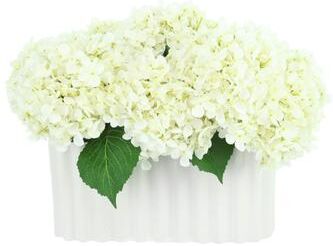
Creative Labs Hydrangeas in Pleated Ceramic VaseEnhance your decor with the beauty of this lifelike faux hydrangea arrangement. Featuring lush, full blooms and deep green leaves, this botanical display captures the fresh look of a garden-cut bouquet.141,99 $*Shipping: 0,00 $Secure redirect to the provider
-
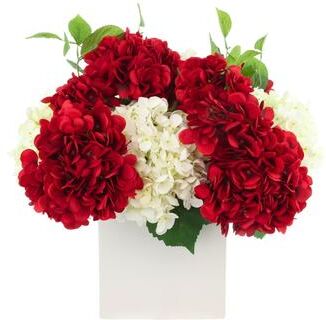
Creative Labs Hydrangeas in Square Ceramic PotElevate your space with sophisticated charm, just in time for the patriotic holidays. Featuring a rich pairing of lush hydrangeas and lifelike greenery, this striking arrangement offers a full, rounded silhouette that is both classic and bold.121,49 $*Shipping: 0,00 $Secure redirect to the provider
-
Cornerstone Press Make Me Well: The Truth About the Wellness Industry, Supplements, and Personalised Health by Xand van TullekenIn a world of endless wellness advice, learn how to make smarter decisions about your health with the empowering new book from doctor and broadcaster Xand Van Tulleken. Drawing on original reporting, expert insight and real-world case studies, he explores: The truth about supplements and vitamins ― what works and what doesn’t The rise of at-home blood testing and personalised health plans How wearable technology (fitness trackers, sleep trackers, smartwatches) shapes our behaviour The promises and pitfalls of consumer genomics and DNA testing Why the line between healthcare and the wellness industry has become blurred There has never been a more confusing time to try to be healthy. From supplements and blood testing to wearable technology and consumer genomics, the modern wellness industry promises better energy, performance and longevity. But how much of it is science, and how much is marketing? In his groundbreaking book, Make Me Well, Xand van Tulleken investigates the new Wild West of the wellness industry, offering a clear, evidence-based guide to navigating today’s most popular health trends. With practical advice and accessible science, Make Me Well will help you cut through misinformation, avoid unnecessary costs, and make informed decisions about your physical and mental wellbeing. If you’ve ever wondered which health trends are worth your time and money, this is your essential guide to modern wellness.12,99 £*Shipping: 2,99 £Secure redirect to the provider


-
Why do my hydrangeas look like this?
There could be several reasons why your hydrangeas may not be looking their best. Some common issues include inadequate sunlight, improper watering (either too much or too little), nutrient deficiencies in the soil, or pest infestations. It's important to assess the growing conditions of your hydrangeas and make any necessary adjustments to help them thrive. If you're unsure, consider consulting with a local gardening expert for personalized advice. **
-
Is alum necessary for lilac-red hydrangeas?
Alum is not necessary for lilac-red hydrangeas. The color of hydrangea flowers is determined by the pH level of the soil. For lilac-red hydrangeas, the soil should be slightly acidic with a pH level of around 5.5 to 6.5. Adding alum to the soil can lower the pH level and help achieve the desired color, but it is not necessary if the soil already has the appropriate pH level. Regularly testing and adjusting the soil pH is the key to achieving the desired color for hydrangeas. **
-
Why do hydrangeas just not want to?
Hydrangeas may not want to bloom for a variety of reasons, including improper pruning, inadequate sunlight, or poor soil conditions. Hydrangeas require specific care and environmental conditions to thrive, and any deviation from these requirements can result in a lack of blooming. Additionally, certain hydrangea varieties may have specific blooming patterns or may be more sensitive to changes in their environment. It's important to carefully assess the growing conditions and care for hydrangeas to encourage healthy blooming. **
-
How do I use copper sulfate for hydrangeas?
To use copper sulfate for hydrangeas, you can mix 1 tablespoon of copper sulfate with 1 gallon of water and apply it to the soil around the base of the plant. This can help lower the pH of the soil, making it more acidic, which is beneficial for blue hydrangeas. It is important to follow the instructions on the product label and not exceed the recommended dosage to avoid harming the plant. Additionally, it is recommended to wear gloves and protective clothing when handling copper sulfate. **

How can one save hydrangeas in the garden?
To save hydrangeas in the garden, it is important to provide them with the right growing conditions. Hydrangeas prefer moist, well-draining soil and partial shade. Make sure to water them regularly, especially during hot and dry periods. Prune them in late winter or early spring to remove dead or weak branches and encourage new growth. Additionally, protect them from harsh winter conditions by mulching around the base of the plant. **
What do bees, bumblebees, wasps, and hydrangeas have in common?
Bees, bumblebees, wasps, and hydrangeas are all attracted to nectar and pollen. They play a crucial role in pollination, helping plants reproduce by transferring pollen from one flower to another. Additionally, these insects and plants are all important components of their respective ecosystems, contributing to biodiversity and overall ecosystem health. **
Top-Angebote
Products related to Hydrangeas:
-
Creative Labs Hydrangeas in Pleated Ceramic VaseEnhance your decor with the beauty of this lifelike faux hydrangea arrangement. Featuring lush, full blooms and deep green leaves, this botanical display captures the fresh look of a garden-cut bouquet.141,99 $*Shipping: 0,00 $Secure redirect to the provider
-
Creative Labs Hydrangeas in Square Ceramic PotElevate your space with sophisticated charm, just in time for the patriotic holidays. Featuring a rich pairing of lush hydrangeas and lifelike greenery, this striking arrangement offers a full, rounded silhouette that is both classic and bold.121,49 $*Shipping: 0,00 $Secure redirect to the provider
-
Do hydrangeas bloom again?
Yes, hydrangeas can bloom again. The timing and frequency of their blooms depend on the specific variety of hydrangea and the growing conditions. Some hydrangeas bloom on old wood, meaning they set their flower buds in the previous growing season, while others bloom on new wood, meaning they produce flower buds on the current season's growth. With proper care, including pruning, fertilizing, and providing the right amount of sunlight and water, hydrangeas can bloom again in the following growing season. **
-
Why don't hydrangeas just want to?
Hydrangeas, like all living organisms, do not have the capacity to "want" as they lack consciousness and the ability to make decisions. Instead, their growth and behavior are determined by their genetic makeup, environmental conditions, and biological processes. Hydrangeas follow their natural instincts and responses to stimuli rather than having desires or intentions. **
-
Why do my hydrangeas look like this?
There could be several reasons why your hydrangeas may not be looking their best. Some common issues include inadequate sunlight, improper watering (either too much or too little), nutrient deficiencies in the soil, or pest infestations. It's important to assess the growing conditions of your hydrangeas and make any necessary adjustments to help them thrive. If you're unsure, consider consulting with a local gardening expert for personalized advice. **
-
Is alum necessary for lilac-red hydrangeas?
Alum is not necessary for lilac-red hydrangeas. The color of hydrangea flowers is determined by the pH level of the soil. For lilac-red hydrangeas, the soil should be slightly acidic with a pH level of around 5.5 to 6.5. Adding alum to the soil can lower the pH level and help achieve the desired color, but it is not necessary if the soil already has the appropriate pH level. Regularly testing and adjusting the soil pH is the key to achieving the desired color for hydrangeas. **
Similar search terms for Hydrangeas
-
Cornerstone Press Make Me Well: The Truth About the Wellness Industry, Supplements, and Personalised Health by Xand van TullekenIn a world of endless wellness advice, learn how to make smarter decisions about your health with the empowering new book from doctor and broadcaster Xand Van Tulleken. Drawing on original reporting, expert insight and real-world case studies, he explores: The truth about supplements and vitamins ― what works and what doesn’t The rise of at-home blood testing and personalised health plans How wearable technology (fitness trackers, sleep trackers, smartwatches) shapes our behaviour The promises and pitfalls of consumer genomics and DNA testing Why the line between healthcare and the wellness industry has become blurred There has never been a more confusing time to try to be healthy. From supplements and blood testing to wearable technology and consumer genomics, the modern wellness industry promises better energy, performance and longevity. But how much of it is science, and how much is marketing? In his groundbreaking book, Make Me Well, Xand van Tulleken investigates the new Wild West of the wellness industry, offering a clear, evidence-based guide to navigating today’s most popular health trends. With practical advice and accessible science, Make Me Well will help you cut through misinformation, avoid unnecessary costs, and make informed decisions about your physical and mental wellbeing. If you’ve ever wondered which health trends are worth your time and money, this is your essential guide to modern wellness.12,99 £*Shipping: 2,99 £Secure redirect to the provider
-
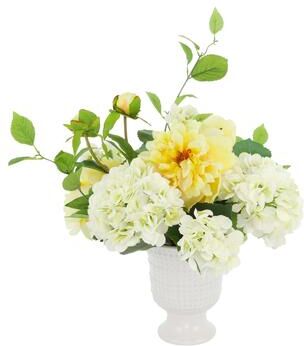
Creative Labs Classic Arrangement with Peonies and HydrangeasAdd a touch of charm to your space with this gorgeous floral centerpiece. Featuring lush hydrangeas and lifelike peonies arranged in a classic white ceramic vase, it's the perfect complement to any style décor.137,49 $*Shipping: 0,00 $Secure redirect to the provider
-
Why do hydrangeas just not want to?
Hydrangeas may not want to bloom for a variety of reasons, including improper pruning, inadequate sunlight, or poor soil conditions. Hydrangeas require specific care and environmental conditions to thrive, and any deviation from these requirements can result in a lack of blooming. Additionally, certain hydrangea varieties may have specific blooming patterns or may be more sensitive to changes in their environment. It's important to carefully assess the growing conditions and care for hydrangeas to encourage healthy blooming. **
-
How do I use copper sulfate for hydrangeas?
To use copper sulfate for hydrangeas, you can mix 1 tablespoon of copper sulfate with 1 gallon of water and apply it to the soil around the base of the plant. This can help lower the pH of the soil, making it more acidic, which is beneficial for blue hydrangeas. It is important to follow the instructions on the product label and not exceed the recommended dosage to avoid harming the plant. Additionally, it is recommended to wear gloves and protective clothing when handling copper sulfate. **
-
How can one save hydrangeas in the garden?
To save hydrangeas in the garden, it is important to provide them with the right growing conditions. Hydrangeas prefer moist, well-draining soil and partial shade. Make sure to water them regularly, especially during hot and dry periods. Prune them in late winter or early spring to remove dead or weak branches and encourage new growth. Additionally, protect them from harsh winter conditions by mulching around the base of the plant. **
-
What do bees, bumblebees, wasps, and hydrangeas have in common?
Bees, bumblebees, wasps, and hydrangeas are all attracted to nectar and pollen. They play a crucial role in pollination, helping plants reproduce by transferring pollen from one flower to another. Additionally, these insects and plants are all important components of their respective ecosystems, contributing to biodiversity and overall ecosystem health. **
* All prices are inclusive of VAT and, if applicable, plus shipping costs. The offer information is based on the details provided by the respective shop and is updated through automated processes. Real-time updates do not occur, so deviations can occur in individual cases. ** Note: Parts of this content were created by AI.