Buy diäten.eu ?
We are moving the project
diäten.eu .
Are you interested in purchasing the domain
diäten.eu ?
domain@kv-gmbh.de · 0541-91531010
Buy diäten.eu ?
How do you calculate the marginal density and the joint density?
To calculate the marginal density of a random variable, you integrate the joint density function over all possible values of the other random variables. For example, to find the marginal density of X in a joint density function f(x,y), you would integrate f(x,y) with respect to y. To calculate the joint density of two random variables, you multiply the marginal densities of each variable together. For example, if X and Y are independent random variables with marginal densities f(x) and g(y) respectively, then the joint density function is given by h(x,y) = f(x) * g(y). In summary, to calculate the marginal density, integrate the joint density over all possible values of the other random variables, and to calculate the joint density, multiply the marginal densities of each variable together. **
How do you calculate density in mathematics and what is density?
Density is a measure of how much mass is contained in a given volume. In mathematics, density is calculated by dividing the mass of an object by its volume. The formula for density is: density = mass/volume. This calculation allows us to determine how tightly packed the particles of a substance are, and it is commonly used in physics and engineering to describe the properties of materials. **


Similar search terms for Density
Top-Angebote
Products related to Density:
-
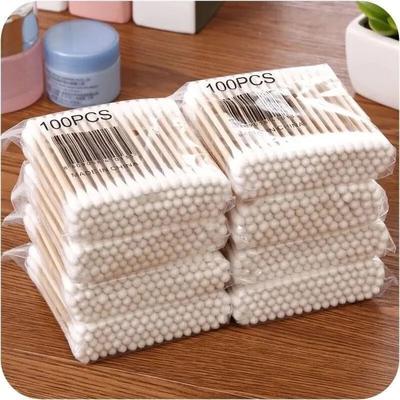
Uplift Essentials High Density Bamboo Cotton Applicators High Density Bamboo Cotton ApplicatorsOptimize your personal care and cosmetic routine with the Professional HighDensity Bamboo Cotton Applicators. Engineered for surgical precision and ecological sustainability, these dualheaded swabs feature premium, 100% natural cotton tips bonded to...34,97 $*Shipping: 0,00 $Secure redirect to the provider
-
Multisell Products Hub Reusable Stress Relief Squeeze Ball, High Density Foam Hand Exercise, Grip Strength Trainer 50mmEnhance Grip Strength with High Density Foam Improve your hand strength and dexterity with the High Density Foam Hand Exercise Ball. This versatile grip strength trainer is designed to strengthen your hands, fingers, and forearms, making it perfect...29,97 $*Shipping: 0,00 $Secure redirect to the provider
-
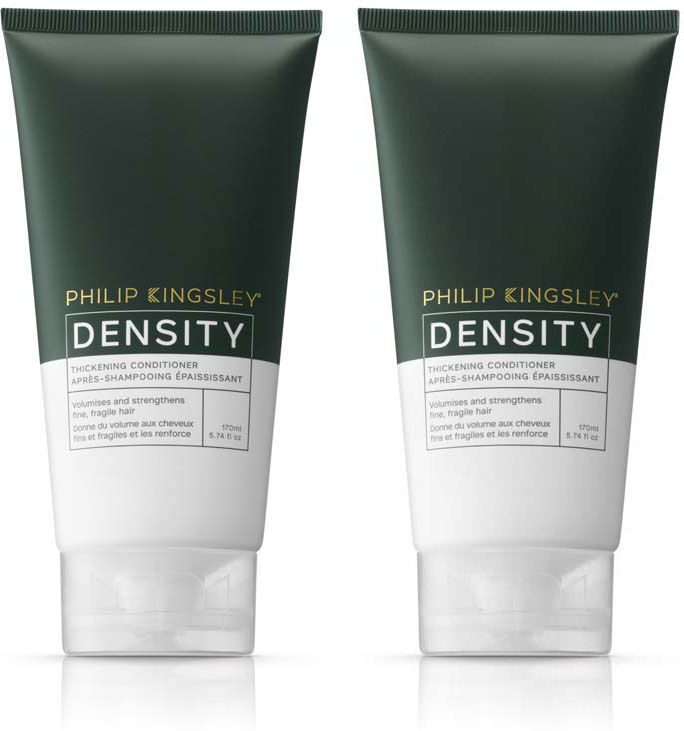
Philip Kingsley Density Conditioner 170mlTreat your fine, fragile hair with Philip Kingsley Density Thickening Conditioner. Improve the health, condition and quality of fine, fragile and thinning hair Discover thicker, more volumised hair straight from the first use. The Density Thickening Conditioner contains a unique blend of Hyper-Branched Polymers and Hydrolyzed Pea Peptides to instantly volumise fine hair. Biomimetic ceramides within this lightweight formula help to replace lost lipids in damaged hair, whilst sealing and smoothing the cuticle to help detangle and improve hair's resistance against everyday threats. Hair strands are left strengthened against future damage, as well as softer with heightened volume. Enjoy increased hair volume by 25% after one use when used in combination with Density Thickening Conditioner and Density Thickening Protein Spray* Using Density Shampoo & Conditioner together significantly reduces the likelihood of hair breakage** *Independent Instrumental Tests, compared to a standard shampoo and conditioner. **Independent Instrumental Tests, compared to both untreated hair and hair treated with a leading volumising shampoo and conditioner. Ingredients: Aqua/Water/Eau, Cetearyl Alcohol, Hydrogenated Castor Oil/Sebacic Acid Copolymer, Pisum Sativum (Pea) Peptide, Behentrimonium Chloride, Cocos Nucifera (Coconut) Oil, Phenoxyethanol, Hydroxypropyl Starch Phosphate, Polyquaternium-110, Parfum (Fragrance), Isopropyl Alcohol, Behenyl/Stearyl Aminopropanediol Esters, Ethylhexylglycerin, Ricinus Communis (Castor) Seed Oil, Sodium Hydroxide, Citric Acid, Disodium EDTA, Leuconostoc/Radish Root Ferment Filtrate, Limonene, Linalool.31,00 £*Shipping: 0,00 £Secure redirect to the provider
-
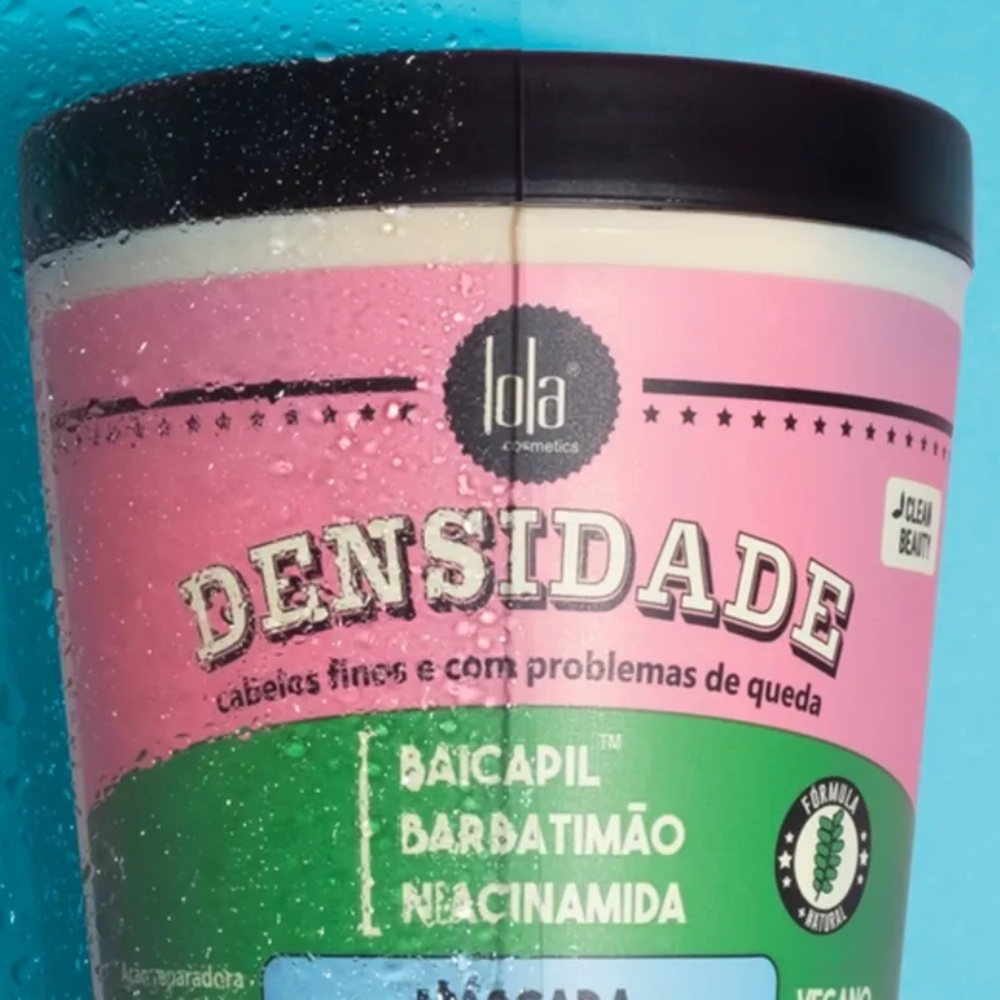
Lola Cosmetics Density Hair Acidifier 250mLA cleansing product for hair loss or thinning. Revive fine, thinning hair with Density Acidifier – a pH-balancing treatment for intense repair, strength, and anti-breakage protection. Intensive pH 3.0–4.0 repair. Strengthens and protects against chemical, thermal, and environmental damage. Prevents hair breakage and fall.8,16 £*Shipping: 7,11 £Secure redirect to the provider



-
What is individual density?
Individual density refers to the number of individuals of a particular species within a given area or habitat. It is a measure of how crowded or dispersed a population is within a specific area. Individual density can have significant impacts on factors such as competition for resources, predation, and overall population dynamics. Monitoring individual density is important for understanding the health and sustainability of a population within an ecosystem. **
-
How is density calculated?
Density is calculated by dividing the mass of an object by its volume. The formula for density is: Density = Mass / Volume. Mass is typically measured in grams or kilograms, while volume is measured in cubic centimeters or cubic meters. By dividing the mass by the volume, we can determine how much mass is present in a given volume, which gives us the density of the object. **
-
What is relative density?
Relative density, also known as specific gravity, is the ratio of the density of a substance to the density of a reference substance. It is a dimensionless quantity that compares the density of a substance to the density of water at a specific temperature. Relative density is used to characterize the heaviness or lightness of a substance compared to water, and it is commonly used in various scientific and industrial applications to determine the purity or composition of materials. **
-
How can the density of cola be measured and what is density?
The density of cola can be measured by using a graduated cylinder and a scale. First, the mass of a known volume of cola is measured using the scale. Then, the volume of the cola is measured by pouring it into the graduated cylinder and recording the volume. Density is a measure of how much mass is contained in a given volume and is calculated by dividing the mass by the volume. In the case of cola, the density can be used to determine the amount of sugar and other dissolved substances in the liquid. **
Which of the Greek islands has the highest cat density or dog density?
It is difficult to determine which Greek island has the highest cat or dog density as this information is not readily available or documented. However, islands with larger populations and more urban areas may have higher densities of cats and dogs due to human habitation and potential abandonment of pets. Islands like Crete, Rhodes, or Corfu, which are popular tourist destinations with larger populations, may have higher cat or dog densities compared to smaller, more remote islands. **
How do you calculate the density of a substance using the average density?
To calculate the density of a substance using the average density, you would first measure the mass of the substance using a scale and then measure the volume of the substance using a ruler or other measuring tool. Next, you would divide the mass by the volume to calculate the density. If you are using the average density, you would use the average value of the density of the substance, which is calculated by taking the sum of all the individual densities and dividing by the number of measurements. Then, you would use this average density value in the density calculation formula. **
Top-Angebote
Products related to Density:
-
Cornerstone Press Make Me Well: The Truth About the Wellness Industry, Supplements, and Personalised Health by Xand van TullekenIn a world of endless wellness advice, learn how to make smarter decisions about your health with the empowering new book from doctor and broadcaster Xand Van Tulleken. Drawing on original reporting, expert insight and real-world case studies, he explores: The truth about supplements and vitamins ― what works and what doesn’t The rise of at-home blood testing and personalised health plans How wearable technology (fitness trackers, sleep trackers, smartwatches) shapes our behaviour The promises and pitfalls of consumer genomics and DNA testing Why the line between healthcare and the wellness industry has become blurred There has never been a more confusing time to try to be healthy. From supplements and blood testing to wearable technology and consumer genomics, the modern wellness industry promises better energy, performance and longevity. But how much of it is science, and how much is marketing? In his groundbreaking book, Make Me Well, Xand van Tulleken investigates the new Wild West of the wellness industry, offering a clear, evidence-based guide to navigating today’s most popular health trends. With practical advice and accessible science, Make Me Well will help you cut through misinformation, avoid unnecessary costs, and make informed decisions about your physical and mental wellbeing. If you’ve ever wondered which health trends are worth your time and money, this is your essential guide to modern wellness.12,99 £*Shipping: 2,99 £Secure redirect to the provider
-
Harper ltd Max Lugavere 2 Book Set – Genius Foods & The Genius Life Brain Health, Nutrition & Wellness CollectionMax Lugavere 2-Book Collection Set (The Genius Life & Genius Foods – Nutrition, Health, Wellness, Diet, Brain & Body Health, Self-Help & Fitness) The Genius Life: Heal Your Mind, Strengthen Your Body, and Become Extraordinary: Supporting the work of Battersea Dogs and Cats Home.Enjoy a heartwarming dog to brighten every single day of the year. From Pickles, the dog who single-handedly saved the 1966 world cup, to Pal, who found silver screen fame as the original Lassie, Battersea's A Dog a Day contains 365 fascinating stories of dogs to enjoy throughout the year.Beautifully packaged and illustrated throughout with charming illustrations of cheeky puppies and hounds, this is the perfect book for any lover of our four-legged friends. Genius Foods: Become Smarter, Happier, and More Productive While Protecting Your Brain for Life: After his mother was diagnosed with a mysterious form of dementia, Max Lugavere put his successful media career on hold to learn everything he could about brain health and performance. For the better half of a decade, he consumed the most up-to-date scientific research, talked to dozens of leading scientists and clinicians around the world, and visited the country’s best neurology departments—all in the hopes of understanding his mother’s condition.Now, in Genius Foods, Lugavere presents a comprehensive guide to brain optimization. He uncovers the stunning link between our dietary and lifestyle choices and our brain functions, revealing how the foods you eat directly affect your ability to focus, learn, remember, create, analyze new ideas, and maintain a balanced mood.12,95 £*Shipping: 2,99 £Secure redirect to the provider
-
Uplift Essentials High Density Bamboo Cotton Applicators High Density Bamboo Cotton ApplicatorsOptimize your personal care and cosmetic routine with the Professional HighDensity Bamboo Cotton Applicators. Engineered for surgical precision and ecological sustainability, these dualheaded swabs feature premium, 100% natural cotton tips bonded to...34,97 $*Shipping: 0,00 $Secure redirect to the provider
-
Multisell Products Hub Reusable Stress Relief Squeeze Ball, High Density Foam Hand Exercise, Grip Strength Trainer 50mmEnhance Grip Strength with High Density Foam Improve your hand strength and dexterity with the High Density Foam Hand Exercise Ball. This versatile grip strength trainer is designed to strengthen your hands, fingers, and forearms, making it perfect...29,97 $*Shipping: 0,00 $Secure redirect to the provider
-
How do you calculate the marginal density and the joint density?
To calculate the marginal density of a random variable, you integrate the joint density function over all possible values of the other random variables. For example, to find the marginal density of X in a joint density function f(x,y), you would integrate f(x,y) with respect to y. To calculate the joint density of two random variables, you multiply the marginal densities of each variable together. For example, if X and Y are independent random variables with marginal densities f(x) and g(y) respectively, then the joint density function is given by h(x,y) = f(x) * g(y). In summary, to calculate the marginal density, integrate the joint density over all possible values of the other random variables, and to calculate the joint density, multiply the marginal densities of each variable together. **
-
How do you calculate density in mathematics and what is density?
Density is a measure of how much mass is contained in a given volume. In mathematics, density is calculated by dividing the mass of an object by its volume. The formula for density is: density = mass/volume. This calculation allows us to determine how tightly packed the particles of a substance are, and it is commonly used in physics and engineering to describe the properties of materials. **
-
What is individual density?
Individual density refers to the number of individuals of a particular species within a given area or habitat. It is a measure of how crowded or dispersed a population is within a specific area. Individual density can have significant impacts on factors such as competition for resources, predation, and overall population dynamics. Monitoring individual density is important for understanding the health and sustainability of a population within an ecosystem. **
-
How is density calculated?
Density is calculated by dividing the mass of an object by its volume. The formula for density is: Density = Mass / Volume. Mass is typically measured in grams or kilograms, while volume is measured in cubic centimeters or cubic meters. By dividing the mass by the volume, we can determine how much mass is present in a given volume, which gives us the density of the object. **
Similar search terms for Density
-
Philip Kingsley Density Conditioner 170mlTreat your fine, fragile hair with Philip Kingsley Density Thickening Conditioner. Improve the health, condition and quality of fine, fragile and thinning hair Discover thicker, more volumised hair straight from the first use. The Density Thickening Conditioner contains a unique blend of Hyper-Branched Polymers and Hydrolyzed Pea Peptides to instantly volumise fine hair. Biomimetic ceramides within this lightweight formula help to replace lost lipids in damaged hair, whilst sealing and smoothing the cuticle to help detangle and improve hair's resistance against everyday threats. Hair strands are left strengthened against future damage, as well as softer with heightened volume. Enjoy increased hair volume by 25% after one use when used in combination with Density Thickening Conditioner and Density Thickening Protein Spray* Using Density Shampoo & Conditioner together significantly reduces the likelihood of hair breakage** *Independent Instrumental Tests, compared to a standard shampoo and conditioner. **Independent Instrumental Tests, compared to both untreated hair and hair treated with a leading volumising shampoo and conditioner. Ingredients: Aqua/Water/Eau, Cetearyl Alcohol, Hydrogenated Castor Oil/Sebacic Acid Copolymer, Pisum Sativum (Pea) Peptide, Behentrimonium Chloride, Cocos Nucifera (Coconut) Oil, Phenoxyethanol, Hydroxypropyl Starch Phosphate, Polyquaternium-110, Parfum (Fragrance), Isopropyl Alcohol, Behenyl/Stearyl Aminopropanediol Esters, Ethylhexylglycerin, Ricinus Communis (Castor) Seed Oil, Sodium Hydroxide, Citric Acid, Disodium EDTA, Leuconostoc/Radish Root Ferment Filtrate, Limonene, Linalool.31,00 £*Shipping: 0,00 £Secure redirect to the provider
-
Lola Cosmetics Density Hair Acidifier 250mLA cleansing product for hair loss or thinning. Revive fine, thinning hair with Density Acidifier – a pH-balancing treatment for intense repair, strength, and anti-breakage protection. Intensive pH 3.0–4.0 repair. Strengthens and protects against chemical, thermal, and environmental damage. Prevents hair breakage and fall.8,16 £*Shipping: 7,11 £Secure redirect to the provider
-
Lola Cosmetics Density Hair Mask 230gA hair mask for hair loss or thinning. Restore hair strength and volume with This product, designed for fine, weak, or thinning hair. Rebuilds hair density and resilience. Reduces breakage and hair loss. Stimulates stronger, healthier development. Nourishes deeply from root to tip. Ideal for fragile, porous, or damaged strands.8,85 £*Shipping: 7,11 £Secure redirect to the provider
-
Philip Kingsley Density Conditioner 170ml DoubleStock up and save with this value double pack. Treat your fine, fragile hair with Philip Kingsley Density Thickening Conditioner. Improve the health, condition and quality of fine, fragile and thinning hair Discover thicker, more volumised hair straight from the first use. The Density Thickening Conditioner contains a unique blend of Hyper-Branched Polymers and Hydrolyzed Pea Peptides to instantly volumise fine hair. Biomimetic ceramides within this lightweight formula help to replace lost lipids in damaged hair, whilst sealing and smoothing the cuticle to help detangle and improve hair's resistance against everyday threats. Hair strands are left strengthened against future damage, as well as softer with heightened volume. Enjoy increased hair volume by 25% after one use when used in combination with Density Thickening Conditioner and Density Thickening Protein Spray* Using Density Shampoo & Conditioner together significantly reduces the likelihood of hair breakage** *Independent Instrumental Tests, compared to a standard shampoo and conditioner. **Independent Instrumental Tests, compared to both untreated hair and hair treated with a leading volumising shampoo and conditioner. Ingredients: Aqua/Water/Eau, Cetearyl Alcohol, Hydrogenated Castor Oil/Sebacic Acid Copolymer, Pisum Sativum (Pea) Peptide, Behentrimonium Chloride, Cocos Nucifera (Coconut) Oil, Phenoxyethanol, Hydroxypropyl Starch Phosphate, Polyquaternium-110, Parfum (Fragrance), Isopropyl Alcohol, Behenyl/Stearyl Aminopropanediol Esters, Ethylhexylglycerin, Ricinus Communis (Castor) Seed Oil, Sodium Hydroxide, Citric Acid, Disodium EDTA, Leuconostoc/Radish Root Ferment Filtrate, Limonene, Linalool.55,80 £*Shipping: 0,00 £Secure redirect to the provider
-
What is relative density?
Relative density, also known as specific gravity, is the ratio of the density of a substance to the density of a reference substance. It is a dimensionless quantity that compares the density of a substance to the density of water at a specific temperature. Relative density is used to characterize the heaviness or lightness of a substance compared to water, and it is commonly used in various scientific and industrial applications to determine the purity or composition of materials. **
-
How can the density of cola be measured and what is density?
The density of cola can be measured by using a graduated cylinder and a scale. First, the mass of a known volume of cola is measured using the scale. Then, the volume of the cola is measured by pouring it into the graduated cylinder and recording the volume. Density is a measure of how much mass is contained in a given volume and is calculated by dividing the mass by the volume. In the case of cola, the density can be used to determine the amount of sugar and other dissolved substances in the liquid. **
-
Which of the Greek islands has the highest cat density or dog density?
It is difficult to determine which Greek island has the highest cat or dog density as this information is not readily available or documented. However, islands with larger populations and more urban areas may have higher densities of cats and dogs due to human habitation and potential abandonment of pets. Islands like Crete, Rhodes, or Corfu, which are popular tourist destinations with larger populations, may have higher cat or dog densities compared to smaller, more remote islands. **
-
How do you calculate the density of a substance using the average density?
To calculate the density of a substance using the average density, you would first measure the mass of the substance using a scale and then measure the volume of the substance using a ruler or other measuring tool. Next, you would divide the mass by the volume to calculate the density. If you are using the average density, you would use the average value of the density of the substance, which is calculated by taking the sum of all the individual densities and dividing by the number of measurements. Then, you would use this average density value in the density calculation formula. **
* All prices are inclusive of VAT and, if applicable, plus shipping costs. The offer information is based on the details provided by the respective shop and is updated through automated processes. Real-time updates do not occur, so deviations can occur in individual cases. ** Note: Parts of this content were created by AI.