Buy diäten.eu ?
We are moving the project
diäten.eu .
Are you interested in purchasing the domain
diäten.eu ?
domain@kv-gmbh.de · 0541-91531010
Buy diäten.eu ?
How does concrete dust affect health?
Concrete dust can have negative effects on health when inhaled. The fine particles in concrete dust can irritate the respiratory system, leading to coughing, wheezing, and shortness of breath. Prolonged exposure to concrete dust can also cause chronic respiratory issues such as bronchitis or even exacerbate existing conditions like asthma. In addition, concrete dust may contain harmful substances such as silica, which can lead to lung diseases like silicosis when inhaled over time. Therefore, it is important to take precautions to minimize exposure to concrete dust, such as using proper respiratory protection and ventilation when working with concrete. **
Is fine dust harmful to health in climbing gyms?
Yes, fine dust can be harmful to health in climbing gyms. Fine dust particles can be inhaled and can cause respiratory issues, especially for those with pre-existing conditions such as asthma or allergies. Additionally, prolonged exposure to fine dust can lead to lung damage and other health problems. It is important for climbing gyms to regularly clean and maintain their facilities to minimize the presence of fine dust and protect the health of their patrons. **


Similar search terms for Dust
Top-Angebote
Products related to Dust:
-
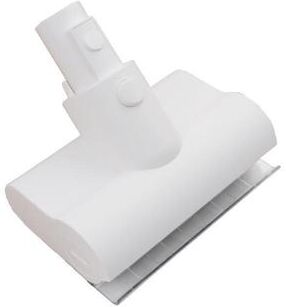
United Electric Mattress Brush Replacement For Deep Dust & Dust Mite Cleaning Electric Mattress Brush Replacement For Deep Dust & Dust Mite CleaningImmerse yourself in a cleaner, healthier home with a replacement brush designed to reach where ordinary cleaning tools fall short. This Dreame P10 mattress brush attachment is made for users who want fresher mattresses, cleaner sofas, and improved...51,97 $*Shipping: 0,00 $Secure redirect to the provider
-
Is roof tile dust harmful to the health of roofers?
Yes, roof tile dust can be harmful to the health of roofers. Inhaling dust particles from roof tiles can lead to respiratory issues such as coughing, wheezing, and shortness of breath. Prolonged exposure to roof tile dust can also increase the risk of developing chronic respiratory conditions such as asthma or bronchitis. Additionally, roof tile dust may contain hazardous materials such as silica, which can cause lung disease if inhaled in large quantities. Therefore, it is important for roofers to take precautions such as wearing protective masks and using proper ventilation to minimize the health risks associated with roof tile dust. **
-
Should one say "dust" first or wipe the dust first?
It is more effective to say "dust" first and then wipe the dust. By saying "dust" first, you are alerting yourself to the task at hand and mentally preparing to remove the dust. This can help you focus and be more thorough in your dusting. Additionally, by saying "dust" first, you are setting a clear intention for the action you are about to take, which can make the task feel more purposeful and satisfying. **
-
How exactly can one combat dust mite allergy or dust mites?
To combat dust mite allergies or dust mites, it is important to reduce the number of dust mites in your home. This can be done by regularly washing bedding in hot water, using allergen-proof covers on pillows and mattresses, and vacuuming carpets and upholstered furniture frequently. Additionally, maintaining low humidity levels in the home, using air purifiers with HEPA filters, and keeping clutter to a minimum can also help reduce dust mites and alleviate allergy symptoms. **
-
What are dust mites?
Dust mites are microscopic organisms that are commonly found in household dust. They feed on dead skin cells shed by humans and animals. Dust mites are a common allergen and can trigger allergic reactions in some people, such as sneezing, coughing, and itchy eyes. They thrive in warm, humid environments and can be found in bedding, upholstered furniture, and carpets. **
Is inhaling dust dangerous?
Inhaling dust can be dangerous, especially if the dust contains harmful particles such as asbestos, silica, or other toxic substances. Breathing in these particles can lead to respiratory issues, lung damage, and other health problems. Additionally, dust mites and other allergens found in dust can trigger allergic reactions and worsen asthma symptoms in some individuals. It's important to minimize exposure to dust and use proper protective equipment when working in dusty environments to reduce the risk of health complications. **
Is house dust dangerous?
House dust can be dangerous for some people, especially those with allergies or respiratory conditions such as asthma. Dust can contain a variety of particles including dust mites, pet dander, pollen, and mold spores, which can trigger allergic reactions and respiratory symptoms. In addition, dust can also contain harmful chemicals and pollutants such as lead, flame retardants, and pesticides, which can pose health risks if inhaled or ingested. Regular cleaning and dusting can help reduce the accumulation of dust and minimize potential health risks. **
Top-Angebote
Products related to Dust:
-
Cornerstone Press Make Me Well: The Truth About the Wellness Industry, Supplements, and Personalised Health by Xand van TullekenIn a world of endless wellness advice, learn how to make smarter decisions about your health with the empowering new book from doctor and broadcaster Xand Van Tulleken. Drawing on original reporting, expert insight and real-world case studies, he explores: The truth about supplements and vitamins ― what works and what doesn’t The rise of at-home blood testing and personalised health plans How wearable technology (fitness trackers, sleep trackers, smartwatches) shapes our behaviour The promises and pitfalls of consumer genomics and DNA testing Why the line between healthcare and the wellness industry has become blurred There has never been a more confusing time to try to be healthy. From supplements and blood testing to wearable technology and consumer genomics, the modern wellness industry promises better energy, performance and longevity. But how much of it is science, and how much is marketing? In his groundbreaking book, Make Me Well, Xand van Tulleken investigates the new Wild West of the wellness industry, offering a clear, evidence-based guide to navigating today’s most popular health trends. With practical advice and accessible science, Make Me Well will help you cut through misinformation, avoid unnecessary costs, and make informed decisions about your physical and mental wellbeing. If you’ve ever wondered which health trends are worth your time and money, this is your essential guide to modern wellness.12,99 £*Shipping: 2,99 £Secure redirect to the provider
-
United Electric Mattress Brush Replacement For Deep Dust & Dust Mite Cleaning Electric Mattress Brush Replacement For Deep Dust & Dust Mite CleaningImmerse yourself in a cleaner, healthier home with a replacement brush designed to reach where ordinary cleaning tools fall short. This Dreame P10 mattress brush attachment is made for users who want fresher mattresses, cleaner sofas, and improved...51,97 $*Shipping: 0,00 $Secure redirect to the provider
-
How does concrete dust affect health?
Concrete dust can have negative effects on health when inhaled. The fine particles in concrete dust can irritate the respiratory system, leading to coughing, wheezing, and shortness of breath. Prolonged exposure to concrete dust can also cause chronic respiratory issues such as bronchitis or even exacerbate existing conditions like asthma. In addition, concrete dust may contain harmful substances such as silica, which can lead to lung diseases like silicosis when inhaled over time. Therefore, it is important to take precautions to minimize exposure to concrete dust, such as using proper respiratory protection and ventilation when working with concrete. **
-
Is fine dust harmful to health in climbing gyms?
Yes, fine dust can be harmful to health in climbing gyms. Fine dust particles can be inhaled and can cause respiratory issues, especially for those with pre-existing conditions such as asthma or allergies. Additionally, prolonged exposure to fine dust can lead to lung damage and other health problems. It is important for climbing gyms to regularly clean and maintain their facilities to minimize the presence of fine dust and protect the health of their patrons. **
-
Is roof tile dust harmful to the health of roofers?
Yes, roof tile dust can be harmful to the health of roofers. Inhaling dust particles from roof tiles can lead to respiratory issues such as coughing, wheezing, and shortness of breath. Prolonged exposure to roof tile dust can also increase the risk of developing chronic respiratory conditions such as asthma or bronchitis. Additionally, roof tile dust may contain hazardous materials such as silica, which can cause lung disease if inhaled in large quantities. Therefore, it is important for roofers to take precautions such as wearing protective masks and using proper ventilation to minimize the health risks associated with roof tile dust. **
-
Should one say "dust" first or wipe the dust first?
It is more effective to say "dust" first and then wipe the dust. By saying "dust" first, you are alerting yourself to the task at hand and mentally preparing to remove the dust. This can help you focus and be more thorough in your dusting. Additionally, by saying "dust" first, you are setting a clear intention for the action you are about to take, which can make the task feel more purposeful and satisfying. **
Similar search terms for Dust
-
How exactly can one combat dust mite allergy or dust mites?
To combat dust mite allergies or dust mites, it is important to reduce the number of dust mites in your home. This can be done by regularly washing bedding in hot water, using allergen-proof covers on pillows and mattresses, and vacuuming carpets and upholstered furniture frequently. Additionally, maintaining low humidity levels in the home, using air purifiers with HEPA filters, and keeping clutter to a minimum can also help reduce dust mites and alleviate allergy symptoms. **
-
What are dust mites?
Dust mites are microscopic organisms that are commonly found in household dust. They feed on dead skin cells shed by humans and animals. Dust mites are a common allergen and can trigger allergic reactions in some people, such as sneezing, coughing, and itchy eyes. They thrive in warm, humid environments and can be found in bedding, upholstered furniture, and carpets. **
-
Is inhaling dust dangerous?
Inhaling dust can be dangerous, especially if the dust contains harmful particles such as asbestos, silica, or other toxic substances. Breathing in these particles can lead to respiratory issues, lung damage, and other health problems. Additionally, dust mites and other allergens found in dust can trigger allergic reactions and worsen asthma symptoms in some individuals. It's important to minimize exposure to dust and use proper protective equipment when working in dusty environments to reduce the risk of health complications. **
-
Is house dust dangerous?
House dust can be dangerous for some people, especially those with allergies or respiratory conditions such as asthma. Dust can contain a variety of particles including dust mites, pet dander, pollen, and mold spores, which can trigger allergic reactions and respiratory symptoms. In addition, dust can also contain harmful chemicals and pollutants such as lead, flame retardants, and pesticides, which can pose health risks if inhaled or ingested. Regular cleaning and dusting can help reduce the accumulation of dust and minimize potential health risks. **
* All prices are inclusive of VAT and, if applicable, plus shipping costs. The offer information is based on the details provided by the respective shop and is updated through automated processes. Real-time updates do not occur, so deviations can occur in individual cases. ** Note: Parts of this content were created by AI.